« Exploring 365CUCI: A Full-Service Online Casino Platform for Malaysian Gamers


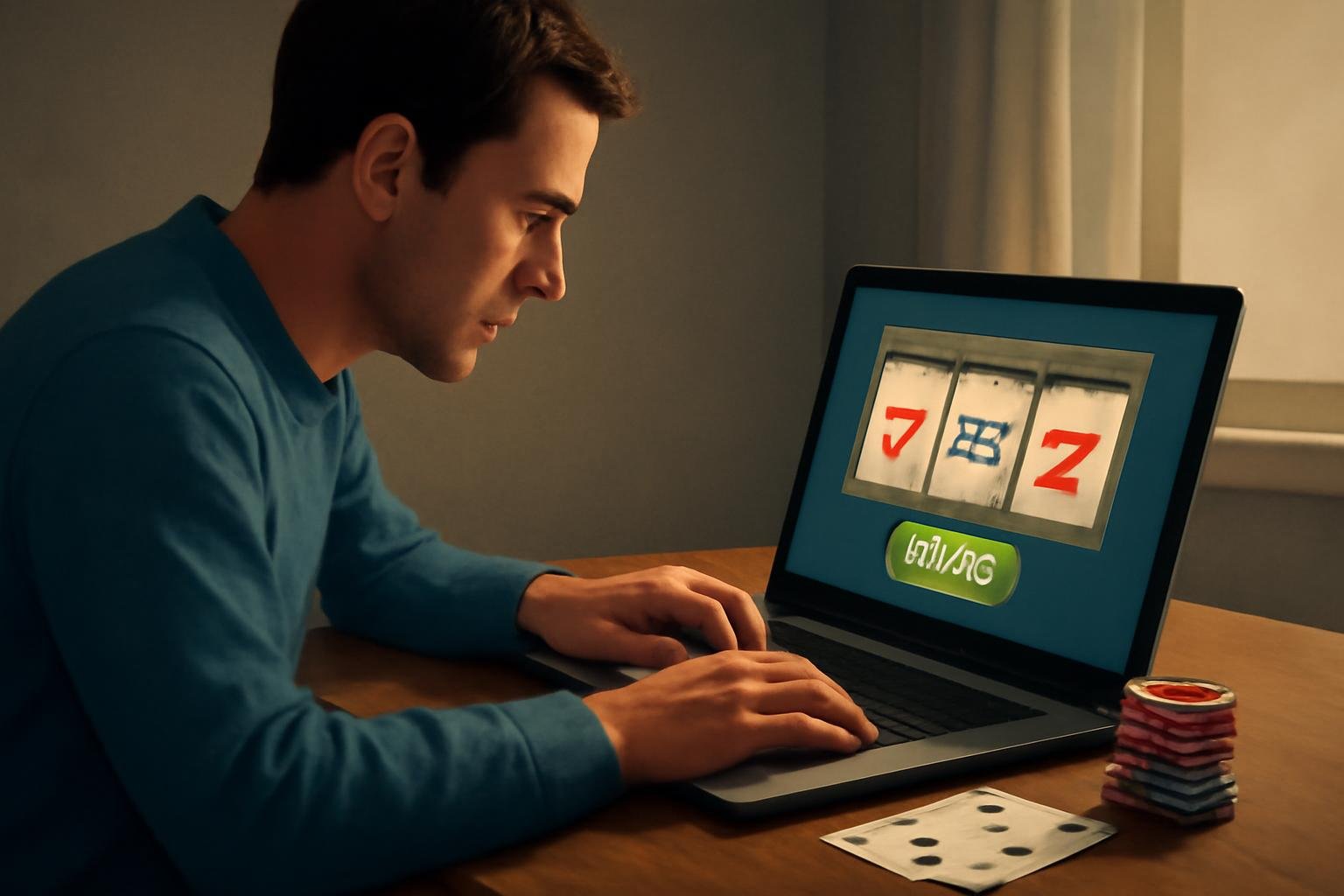
A free-play or demo mode can help you understand an online casino game before deciding whether to play for real money. It lets you explore controls and rules without risking a deposit, but it is not a preview of what will happen in a paid session. Use it to learn how a game works—not to predict its results or judge whether you will win.
Here’s a practical way to test a demo, and how to avoid reading too much into a short run of outcomes.
Demo features vary by game and casino, but they can be a low-pressure way to get familiar with a screen. Depending on the game, you may be able to check:
For example, a newcomer can use a practice table to get comfortable with the sequence of a blackjack hand. A guide to online blackjack basics can help explain common game concepts alongside that hands-on exploration. In video poker, a demo can help you locate the paytable and understand the draw step; the video poker basics guide offers another starting point.
A string of wins or losses in a demo is not evidence that the next round is “due” to go a certain way. Random outcomes do not become predictable because you have watched a few rounds. A brief sample is especially poor evidence for judging what a game will do over time.
Likewise, a demo streak does not establish that a real-money session will repeat it. Treat each result as an outcome of that round, not as a signal to raise a bet, keep playing, or chase a loss.
Demo and real-money versions may differ in availability, settings, or the way a site presents play. Do not assume that trying a game in free mode verifies its return rate, operating conditions, or every detail of a paid version. If a game displays rules or a theoretical return figure, read the information provided for the specific game and version you are considering.
Return to player (RTP), when supplied, is a theoretical measure calculated over a large number of plays. It is not a promise about one session, and a handful of demo rounds cannot confirm it. For slots in particular, avoid treating a run of results as proof of a pattern; this look at common slot-machine misconceptions is a useful reminder.
The best outcome of a demo session may simply be deciding that a game is not for you. Use free play to learn the mechanics, inspect the information available, and check whether the interface makes sense. Leave predictions, bankroll decisions, and assumptions about future results out of the exercise. That distinction helps keep practice useful—and keeps a simulated session from being mistaken for evidence of likely winnings.
 Exploring 365CUCI: A Full-Service Online Casino Platform for Malaysian Gamers
 How to win Casino Poker tournaments Like A Pro
 Is Poker A Luck-Based Or Skill-Based Casino Game?
 Why Sportsbetting through Online Bookmakers is the Optimum Option a Bettor Can Have?
 5 Reasons To Play Baccarat Online


